





The Federal Government has ruled out a return to fuel subsidy and multiple exchange rates, insisting that ongoing economic reforms will remain in place as it seeks to translate recent economic gains into investments, job creation and improved living standards.
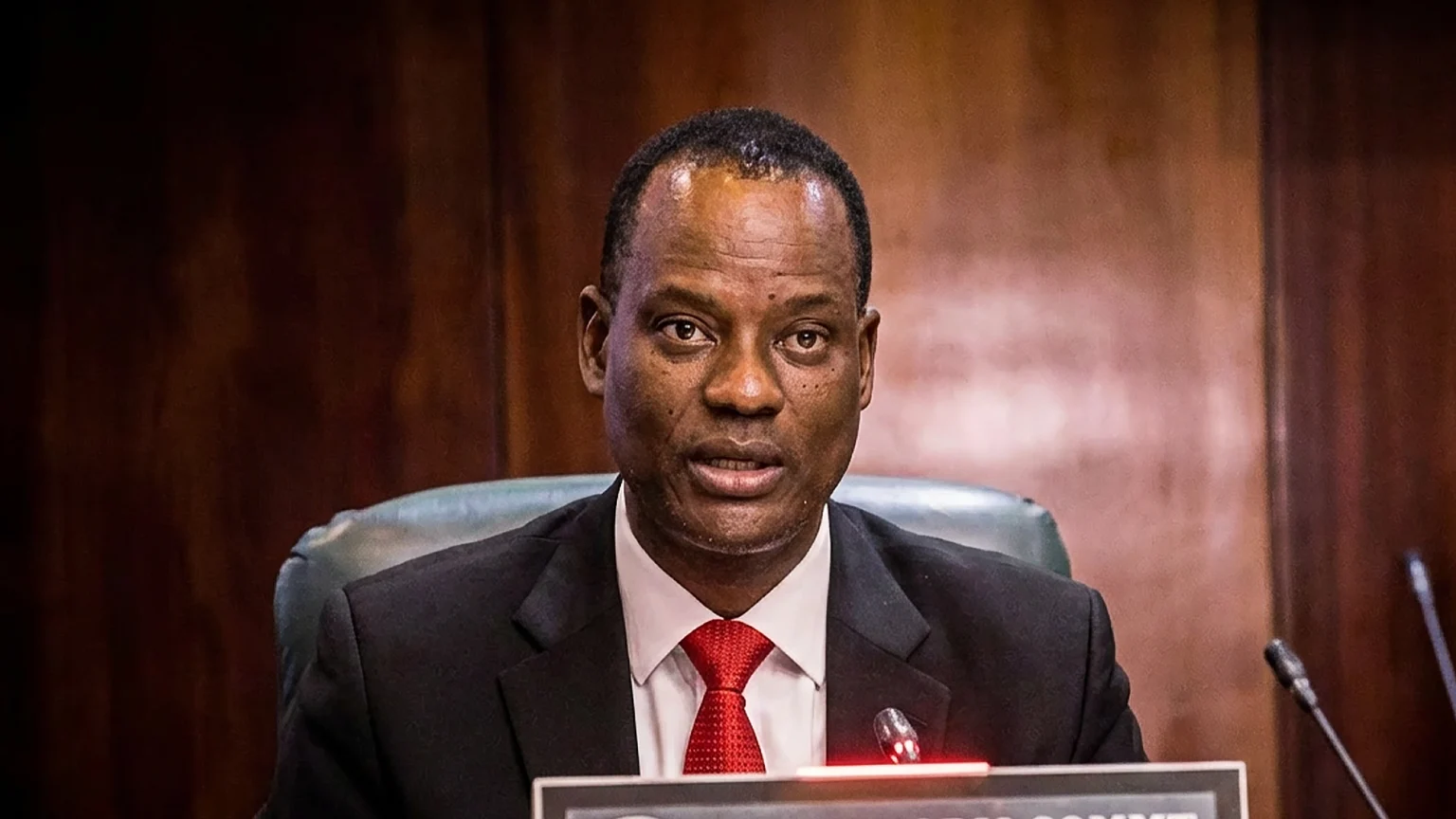
The Minister of Finance and Coordinating Minister of the Economy, Taiwo Oyedele, disclosed this on Saturday in Bangkok, Thailand, after Nigeria participated in the annual meetings of the International Monetary Fund (IMF) and the World Bank Group.
Oyedele explained that the 30-day retail margin discount recently introduced on petrol was a temporary commercial measure by the Nigerian National Petroleum Company Limited (NNPC) to ease pressure on consumers. He stressed that the initiative was not a government-funded subsidy.
“Let me be clear: there will be no return to fuel subsidies or multiple exchange rates,” the minister said, noting that international investors, rating agencies and development partners had continued to question the sustainability of Nigeria’s economic reforms.
Providing an update on the economy, Oyedele said Nigeria recorded 4.4 per cent growth in the second quarter of 2026, while inflation declined for four consecutive months to less than half its peak level recorded about two years ago. He added that the country’s foreign reserves had risen above $35 billion.
He also said Nigeria’s tax-to-GDP ratio had improved from about seven per cent three years ago to 12.5 per cent at the end of 2025. Private capital inflows, according to him, rose from approximately $300 million in 2023 to nearly $6 billion in 2026.
On public debt, the minister put Nigeria’s debt-to-GDP ratio at about 36 per cent, adding that the government was increasingly seeking cheaper, longer-term financing options.
As part of efforts to attract more investment, Oyedele announced 65 projects worth a combined $78.5 billion under the Project Nigeria initiative.
The projects span energy, transportation, manufacturing, mining, agriculture, healthcare and services. He said they were supported by feasibility studies and designed to accommodate private-sector participation, adding that investors from Asia and Europe had expressed interest.
Oyedele said the World Bank had reaffirmed its support for power and infrastructure development, while the IMF pledged continued technical assistance in fiscal policy, transparency and national statistics. The European Union, he added, identified energy and local pharmaceutical manufacturing as priority areas for cooperation with Nigeria.
However, he cautioned against interpreting the expressions of support as immediate financial inflows, saying the government would only report progress when agreements had been signed and concrete results achieved.
Nigeria also used the meetings to push for reforms to the global financial system through its chairmanship of the Group of 24 (G24). The country advocated fairer credit-rating methodologies, stronger local-currency markets and more affordable climate financing.
Addressing the challenge of job creation, Oyedele cited projections that 1.2 billion young people would enter the global labour market over the next 15 years, while only about 400 million jobs might be created.
He warned that advances in artificial intelligence could increase productivity without creating enough jobs to absorb the growing workforce. He therefore called for greater investment in skills development and sectors capable of generating substantial employment.
“Stability was the first test; growth that employs our people is the second,” Oyedele said, outlining improved living standards and the creation of decent jobs as the government’s next priorities.