






 For a country that dances as much as Nigeria does, dancers do not always get their share of the attention. We know the songs, argue over the artistes, and copy the latest dance steps at parties, but the people who spend hours putting those movements together are often left somewhere in the background.
It is even harder for younger dancers. Unless they appear on a television competition or find their way into a major music video, there are not many places for the public to see what they can do. Some have had to start with school performances and small dance groups, building their confidence wherever a stage and an audience are willing to watch.
Things are beginning to look a little different. Nigeria’s Got Talent has already shown what can happen when a young dancer is given prime-time television space. Amarachi Uyanne was only eight when Nigerians watched her dance her way through the competition and eventually win it. Jesse and ED also arrived on the same stage with ballet and contemporary routines that were far removed from the dance styles usually seen in Nigerian music videos.
Now the internet is adding something else to the mix. A dance video recorded on a phone can travel well beyond the street or neighbourhood where it was made. This year, clips from competitions and dance challenges have continued to find their way onto Instagram and entertainment blogs. Olamide’s Wo! challenge has only pushed that further, giving dancers another song to play with and another reason to turn the camera on.
Not every young dancer who gets noticed has followed the same path. Some have been on national television. Others have spent years with performing arts groups or appeared at public events around Lagos. Then there are those whose names are only beginning to move beyond dance circles.
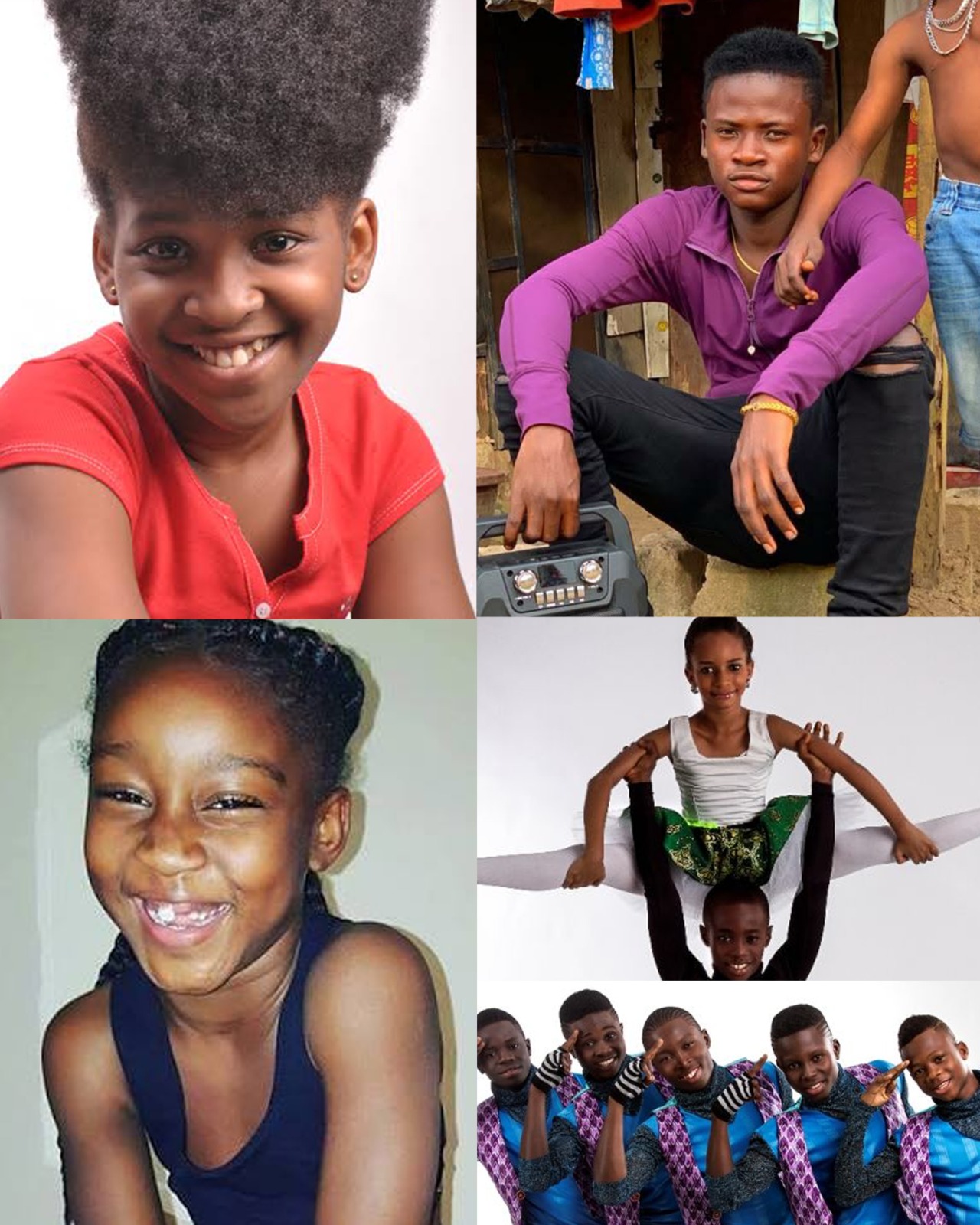
Here are five young Nigerian dancers and dance acts worth keeping an eye on in 2017 and 2018.
1. Amarachi Dance
Born on 17 July 2004, Amarachi Uyanne began dancing at the age of five and came to national attention as an eight-year-old contestant on the first season of Nigeria’s Got Talent. Competing primarily as a dancer, she went on to win the competition in 2012, taking the N10 million prize.
Her television appearances introduced her to a much wider audience at an age when most young dancers were still performing at school or family events. Amarachi later moved into music, releasing Amarachi Dance and other songs, but dance has remained a central part of her public image.
At 13, she is already one of the more recognisable young performers to emerge from Nigeria’s television talent-show circuit.
2. Abatiade
Born Abati Adeotan Abidemi on 8 February 1998, Abati began dancing at a young age and was introduced to ballet while attending Hubert Ogunde Memorial School. The 19-year-old dancer later joined Foot Print of David Art Academy, a children’s performing arts group led by Seun Awobajo.
Through the academy, he began performing at public events around Lagos. In 2015, he took part in Wole Soyinka’s Vision of the Child programme, appearing at Freedom Park and the Lagos Civic Centre, where he was also honoured and received an award for his participation. He also performed during Governor Akinwunmi Ambode’s inauguration celebrations that year.
Abati’s early appearances have largely come through organised arts programmes and public events rather than television competitions. His background places him among a group of young Nigerian dancers finding an audience through live performance.
3. Princess K
Known as Princess K or Tiny Krucial, the eight-year-old dancer has drawn attention this year following her appearance at ADC2017.
Footage from the event showed Princess K taking part in a dance-off, with her performance later circulating online. Her quick movements and confidence became the focus of the clip, bringing the young dancer to the attention of viewers beyond the competition.
Little has been publicly documented about her birth name or early background, but her ADC2017 appearance has placed her among the young dancers attracting attention in 2017.
4. Jesse and ED
Oghomwen Edosowman and Jesse Umoh, known together as Jesse and ED, came to national attention during the first season of Nigeria’s Got Talent in 2012. At the time, Jesse was 13, and ED was nine.
The Benin-based duo competed as dancers, combining ballet and contemporary dance at a time when much of the country’s mainstream dance culture was centred on street styles and routines connected to popular music. They eventually reached the final of the competition alongside Amarachi Uyanne and other acts.
Their performances offered something different on the programme. Rather than relying on familiar club or street movements, Jesse and ED built their routines around a more formal dance background, giving ballet and contemporary dance a place on a major Nigerian television talent show.
5. Xpendables
Xpendables emerged from Port Harcourt as a young street dance group and reached the final of the first season of Nigeria’s Got Talent in 2012. The group was made up of Friday James, Moses Aniefiok, Fortune Johnbull, James Samuel, and Simeon Kofi Nathy.
The members were between 15 and 19 during their appearance in the competition. Their routines were built around group movement, timing, and accuracy, setting them apart from the solo dancers competing on the programme.
Their run on Nigeria’s Got Talent brought the Port Harcourt crew before a national television audience and showed another side of youth dance in Nigeria. While performers such as Amarachi built attention as individuals, Xpendables worked as a unit, with each member contributing to the wider routine.
A New Stage for Young Dancers
For years, dancers in Nigerian entertainment have largely appeared behind musicians, filling music videos and live performances without receiving the same attention as the artists at the centre of the stage.
Young dancers are finding different ways into public view. Amarachi, Jesse, ED, and Xpendables reached audiences through television. Abati’s early years have been shaped by arts programmes and public performances, while Princess K’s dance-off footage has travelled online.
The paths are different, but they point to a wider change in how young Nigerian dancers are being seen. The stage is no longer limited to a music video or a place behind a singer. For some, it begins at a talent competition. For others, it may be an arts programme, a dance battle, or a performance recorded and shared online.